Key Components when Developing an Effective Business Sound Distribution Solution
Wiki Article
Creating an effective commercial audio delivery system is crucial for any organization that relies on sound to enhance the customer experience. This system allows businesses to transmit music, announcements, and other audio content to different areas within a location. Core components in developing a effective audio distribution system include an grasp of sound quality, optimal equipment selection, well-planned layout planning, and ongoing maintenance practices. These elements work together to ensure that the audio system meets the specific needs of the space and the audience.
Sound quality is one of the most important components of an audio broadcast system. Clear sound enhances the listening experience for audiences and can create a positive atmosphere. Factors such as speaker configurations, audio boosters, and room resonance all impact in attaining rich and natural sound. Enterprises should prioritize acquiring commercial-quality speakers that are suitable for their setting. For example, exterior areas might need climate-proof speakers, while interior spaces may be enhanced by immersive audio solutions. Verifying that all parts are compatible and properly integrated is crucial for consistent performance.
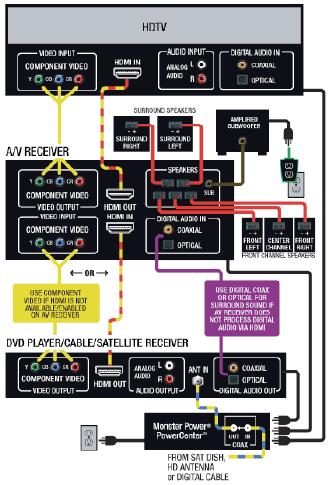
The evaluation of audio gear holds a essential function in the effectiveness of the sound system. This covers choosing the right sound boards, amplifiers, and playback units. Companies should review their unique audio requirements before proceeding with acquisitions. For instance, a commercial space might demand different equipment than a food establishment or conference center. Additionally, embracing digital technology can expand performance. Digital platforms that support virtual operation or syncing with apps can provide adaptability in adjusting audio media and output levels throughout distinct zones.
Structuring the layout of the audio delivery system is another important element. A strategically planned setup ensures that sound is consistently projected across all locations without any quiet zones or echo in certain areas. This requires thoughtful installation of speakers and analysis of how sound behaves in each space. Elements such as scale, geometry, and furnishings can influence sound behavior. Implementing an acoustic analysis can assist pinpoint the optimal areas for speakers to achieve superior click site sound projection throughout the venue.
Lastly, routine upkeep is crucial to sustain an audio communication system running smoothly. System upkeep entails scheduled evaluations on hardware condition, repairing any issues quickly, and refreshing digital controls when needed. Guiding personnel on how to control the system safely can also prevent common problems and extend the lifespan of the equipment. By prioritizing regular upkeep, businesses can ensure consistent audio quality and avoid disruptions that could negatively This Site impact the customer experience.
In conclusion, creating an efficient business audio distribution system involves careful consideration of listening experience, component sourcing, spatial arrangement, and continuous servicing. When these factors are managed strategically, businesses can enhance their premises with immersive audio solutions for their guests. Implementing a carefully built audio system not only enhances communication but also supports a pleasant ambiance that can boost customer experience.